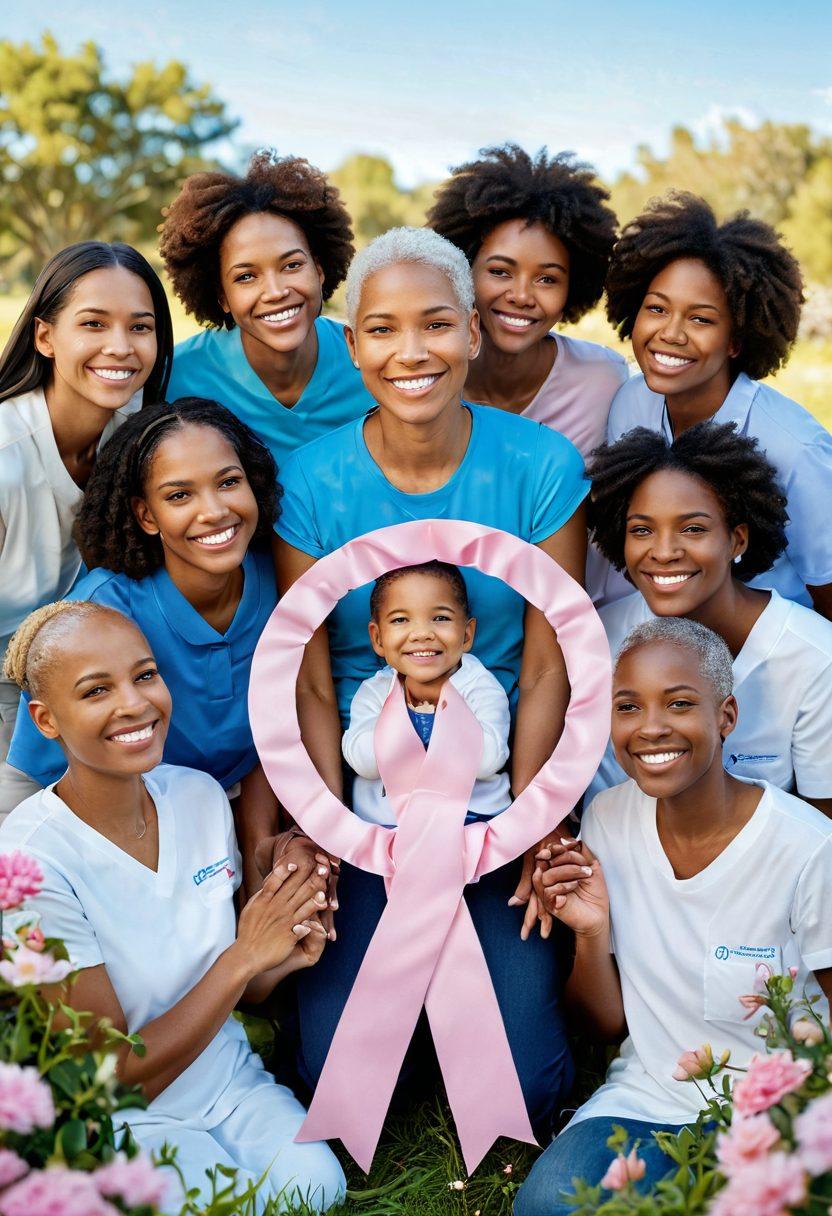
Empowering Awareness: The Essential Guide to Cancer Care and Support
Navigating the journey of cancer care can often feel like traversing through uncharted waters. The complexities of oncology can leave patients and families lost amidst a sea of terminology and choices. When faced with a cancer diagnosis, one might ask, 'Where do I even begin?' It’s natural to feel overwhelmed, but remember, this journey is not meant to be faced alone. Each step you take can empower your awareness and help chart a path forward in understanding treatment options and available resources.
At the heart of effective cancer care lies a strong partnership with an oncologist. These dedicated professionals not only diagnose and treat cancer but also guide patients through the maze of emotions and decisions. The relationship with your oncologist is vital; think of it as a collaboration grounded in trust and open communication. Ask your doctor questions, whether they are about the details of your treatment plan or the implications of clinical trials. After all, knowledge is a powerful tool in patient advocacy and can help you make informed decisions about your health.
As we explore cancer support, it becomes evident that one size does not fit all. Support can take many forms: from emotional assistance to practical resources that help navigate this challenging path. Consider the value of joining support groups or finding online health resources that foster connections with others going through similar experiences. Your journey is unique, but the possibility of shared understanding can be a lifeline. Embrace the power of community in cancer awareness and watch how it transforms your journey from isolation to empowerment.
Cancer education plays a critical role in cancer prevention and survivorship. Imagine if every patient had access to comprehensive medical information and wellness strategies right from the outset. How would this knowledge change outcomes? By actively seeking out information about lifestyle changes and holistic health approaches, patients can engage in their care rather than be passive recipients of treatment. Simple steps in nutrition and physical activity can greatly enhance overall wellness and, when combined with traditional therapies, paves the way for recovery and rehabilitation.
Ultimately, navigating the cancer journey is about resilience and hope. Each treatment option and research breakthrough in tumor research represents a step toward a future where we can transform cancer care into something more manageable and less terrifying. Embrace your role as an informed participant in your health journey, pursue knowledge, and harness the resources available to you. After all, the path may be long, but with the right support and understanding, it can also lead to incredible breakthroughs in your health and well-being. Remember, you are not defined by your diagnosis, but rather by how you choose to face the challenges ahead.
Building a Supportive Community: The Role of Advocacy and Awareness in Oncology
In the realm of oncology, the statistics can be staggering—diagnoses that evoke fear, uncertainty, and the relentless search for answers. But behind these numbers lie stories of resilience, support, and compassionate care. Building a supportive community around cancer awareness is crucial; it not only educates but also empowers individuals faced with daunting diagnoses. Can you imagine the difference it would make if everyone could access relevant cancer care information and advocacy? Together, we can illuminate the path to recovery, highlighting the indomitable human spirit in the face of adversity.
At the heart of cancer support is community advocacy. When patients access resources that provide clear and reliable medical information, they become active participants in their own health journey rather than passive bystanders. As an oncologist once said, 'Knowledge is the best medicine.' With a wealth of health resources available today—including cancer prevention strategies, treatment options, and even clinical trials—we have the power to engage in meaningful conversations that drive change in our communities. Have you ever thought about how sharing your cancer education might inspire someone to seek out their own treatment or wellness initiatives?
The role of the patient advocate in oncology cannot be overstated. These dedicated individuals help bridge the gap between medical professionals and patients. Advocacy fosters an environment where nursing care and holistic health practices flourish. Imagine attending a workshop where survivors share lifestyle changes that helped them thrive post-treatment. Their stories of hope can be incredibly motivating, paving the way for others to reclaim their lives. As we build this supportive community, let’s ask ourselves: how can we contribute our voices to uplift those who feel alone?
Moreover, the importance of cancer awareness in our society cannot be ignored. Awareness campaigns remind us that cancer doesn't discriminate; it affects everyone, directly or indirectly. Establishing a strong support network, whether through online health blogs or local groups, is essential for spreading knowledge on tumor research and rehabilitation that complements traditional treatment options. Every shared story has the potential to spark questions, cultivate curiosity, and propel individuals toward proactive healthcare decisions—so why not be part of this dialogue?
In conclusion, building a supportive community around cancer care is a collective effort that requires commitment, empathy, and advocacy from all of us. We must unite to champion cancer support initiatives and empower one another with the information we need. Let’s embrace the power of awareness and take action to create a healthier future for ourselves and our loved ones. It all starts with a single conversation—will you be that catalyst for change in someone’s life today?
From Prevention to Survivorship: A Holistic Approach to Cancer Education and Wellness
In a world where cancer affects so many lives, the journey from prevention to survivorship is one that requires comprehensive awareness and support. Have you ever considered how the choices we make today can influence our health tomorrow? This concept lies at the heart of cancer prevention and education. It’s not just about finding treatment options when a diagnosis strikes; it's about empowering individuals with knowledge and resources every step of the way. The theme of holistic health resonates deeply as we approach this multifaceted journey of cancer care and support.
Cancer awareness begins long before a diagnosis. Imagine being equipped with the right information and having the tools to make lifestyle changes that could potentially reduce cancer risk. Oncology experts promote a proactive approach centered on education. What if every person had access to health blogs reflecting current medical information tailored to their communities? With increasing accessibility to cancer education, we can inspire individuals to take charge of their health through intentional decisions regarding diet, exercise, and emotional wellness.
The role of an oncologist extends beyond diagnosis and treatment; they play a critical part in patient advocacy and support. After all, navigating the complexities of cancer can feel overwhelming. Engaging in discussions about rehabilitation and nursing care is essential once treatment begins. Have you ever thought about the importance of community and support networks during this time? It’s often through the stories and experiences of others that we find strength. Connecting with fellow survivors can evoke feelings of hope and resilience, shining a light on the path ahead.
Let's not forget about clinical trials and the significance of tumor research. These pivotal components offer patients the chance to access cutting-edge innovations in cancer care. What if your journey could contribute to groundbreaking advancements in medical knowledge? Finding the right health resources can transform the cancer journey from solitary struggles to a collaborative effort—creating a supportive network among patients, healthcare providers, and researchers alike. For those who have survived cancer, sharing their testimonials can create ripples of encouragement, motivating others still in the fight.
Ultimately, survivorship is about more than just surviving cancer; it’s about thriving afterward. Embracing a holistic approach involves ongoing wellness practices—physical, emotional, and spiritual. Consider how making conscious lifestyle changes, such as incorporating mindfulness, can improve your overall well-being. This journey of cancer care and support flourishes when we cultivate a culture of awareness and advocacy, allowing individuals to feel empowered both during and after their battle with cancer. With commitment and compassion, we can elevate the conversation around cancer education, thereby transforming the stigma surrounding it into a foundation for hope.